Ready Flat vs. Under-Construction Apartment in Dhaka 2026: Which Is Better?
Buying an apartment in Dhaka often comes down to one hard choice. Should a buyer choose a ready flat that they can move into right away? Or should the buyer pick an under-construction apartment that is still being built? Each option carries its own price, its own risk, and its own timeline.
A ready flat lets a family move in without waiting, but it usually costs more per square foot. An apartment still under construction often costs less at first, but it carries construction risk and a longer wait. However, working with the best real estate company in Dhaka lowers risk in either choice. This guide compares both choices in detail. It also covers the hidden cost of buying an apartment in Dhaka and explains which option fits which type of buyer in 2026.
Key Takeaways
A ready flat costs more, but it removes waiting time and construction risk.
An apartment still under construction often costs less, though the price gap has shrunk recently.
Bank loans are usually easier to arrange for a ready flat.
Hidden costs, such as registration fees and utility connection charges, apply to both options.
Working with the best real estate company in Bangladesh lowers risk in either choice.
Buyers who can wait two to four years may prefer a flat still under construction.
What Do These Two Terms Actually Mean?
Before comparing the two options in depth, it helps to understand what each term means. A ready flat is a finished apartment. A buyer can move in soon after payment and registration. An apartment under construction is a unit that a buyer books early, based on a floor plan and a sample unit. This often happens months or years before the building is complete.
Ready flat: Fully built and available for possession soon after registration.
Under construction apartment: Booked early and delivered later, often over two to four years.
Ready flat pricing: Set at a fixed, current market rate, with little room for negotiation.
Under construction pricing: Often lower at first, and paid in installments as construction moves forward.
Ready flat inspection: A buyer can walk through the exact unit before making any payment.
Under construction inspection: A buyer relies on a sample flat, drawings, and the developer's past record.
Ready flat loan process: Usually faster, since a bank can value a finished asset right away.
Under construction loan process: Often released in stages that are tied to construction progress.
Which option costs less at the time of purchase?
An apartment under construction usually costs less at the time of purchase than a ready flat in the same area. Developers price early bookings lower to raise funds before the building is finished. A ready flat carries a higher price, since the developer has already paid for labor, material, and time. The price gap has narrowed in recent years, since fewer buyers are willing to wait through long delays.
How long does it take to get possession of a Flat?
A ready flat offers handover within weeks. An apartment still under construction often takes two to four years to complete. This gap matters most for buyers who need a home quickly, such as a family relocating for work. A longer wait also means a longer period without rental income. Some projects finish on time, but delays remain common across the industry.
What are the risks of buying an apartment that is still under construction?
The biggest risk is a construction delay, which can push possession back by months or years beyond the promised date.
Common Risks to Consider
Construction delay: Projects can slow down due to material shortages, labor issues, or funding gaps.
Design changes: A finished unit sometimes looks different from the original sample or drawing.
Developer default: A developer facing financial trouble may pause or abandon a project.
Price increases: Some contracts allow a developer to raise the final price if material costs rise.
What are the benefits of buying a ready flat?
A ready flat lets a buyer see the exact unit, move in fast, and avoid construction risk entirely.
Key Advantages
Immediate possession: A buyer can move in or rent the unit out within weeks.
No construction risk: The building already exists, so there is no risk of delay or default.
Clear inspection: A buyer can check the finish, the fittings, and the actual space before paying.
Faster loan approval: Banks process loans faster for a finished property with a clear value.
Which option is easier to finance with a bank loan?
A ready flat is usually easier to finance, since a bank can assess a finished property with a clear market value. Loans for an apartment still under construction are often released in stages tied to construction progress. This can slow down a buyer's access to funds. Buyers planning to use a bank loan should ask early how a lender handles each option, since policies vary between banks.
What hidden costs should buyers expect in Dhaka?
Both options come with hidden costs beyond the listed price. According to reporting from The Daily Star on the hidden costs of buying an apartment in Dhaka, buyers should plan for several charges. These include stamp duty, registration fees, value-added tax, gain tax, and local government charges. Together, these can add a large percentage to the final price. Utility connection fees for gas, water, and electricity also apply to both options.
Which option offers better resale value and investment potential?
A ready flat in a strong location tends to hold resale value more predictably. An apartment bought under construction can offer higher returns if the project finishes well. Investors who buy early take on more risk, but they can benefit if the neighborhood gains value before the building is complete. Location remains the strongest factor in either case. A closer look at the best areas to buy an apartment in Dhaka for investment can help a buyer weigh these options. This step is worth taking before choosing a project.
Which option suits buyers looking for luxury apartments in Dhaka?
Buyers seeking luxury apartments in Dhaka often prefer a ready flat. They can confirm the quality of finishes and fittings before paying the full price. A luxury project still under construction can still be a strong choice.
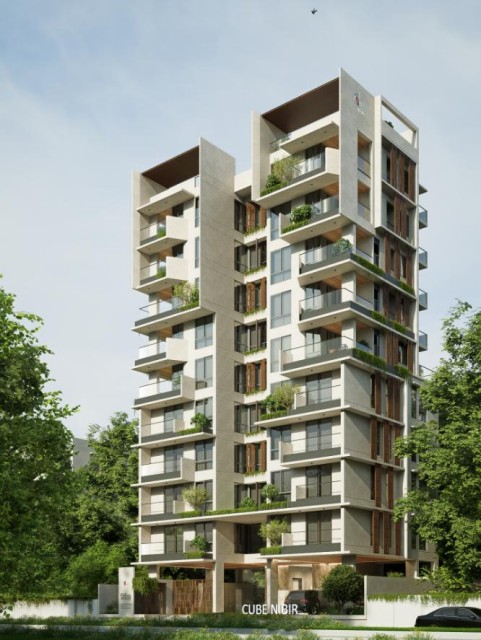
This works best when the developer has a solid record of finishing on time. One example is Cube Holdings, a Dhaka-based developer that has delivered both ready and under-construction luxury projects across the city. Checking a developer's handed-over projects in person remains the most reliable way to judge quality.
Ready Flat vs Under Construction Apartment Compared
The table below sums up the main differences covered in this guide.
Frequently Asked Questions
Q: Is it better to buy a ready flat or an apartment under construction in Dhaka?
A: A ready flat suits a buyer who needs a home quickly and wants to avoid construction risk. An apartment under construction suits a buyer who can wait for a lower price.
Q: How much cheaper is an apartment under construction compared to a ready flat?
A: The gap depends on the project and the location. Early bookings are often priced lower than a finished unit in the same area.
Q: What happens if a developer delays possession of an apartment in Dhaka?
A: Buyers should check the sale agreement for delay clauses and any penalty terms before signing, since these vary widely between developers.
Q: Can a buyer get a bank loan for an apartment that is still under construction?
A: Yes, many banks offer loans for such purchases, though funds are released in stages tied to construction progress.
Q: What documents should a buyer check before booking an apartment in Dhaka?
A: A buyer should review the land title, RAJUK approval, the sale agreement, and the developer's past delivery record.
Final Thoughts
Neither option is better in every case. The right choice depends on timing, budget, and how much risk a buyer can accept. A ready flat offers certainty and speed, while an apartment under construction offers a lower entry price in exchange for patience. Buyers who study the hidden costs and check the developer's record tend to make the stronger decision. Comparing both paths against a personal timeline helps most. That single step, taken before signing anything, often matters more than the choice between ready and under construction itself.